
Stamped Concrete in Warrensville Heights
Warrensville Heights Concrete Solutions designs and installs stamped concrete for homeowners throughout Warrensville Heights and the surrounding area, combining the durability of concrete with the visual appeal of natural stone, brick, and slate.
20+
Years Serving Warrensville Heights
450+
Concrete Jobs Done
4.9/5
Average Customer Rating
The Appeal of Stamped Concrete
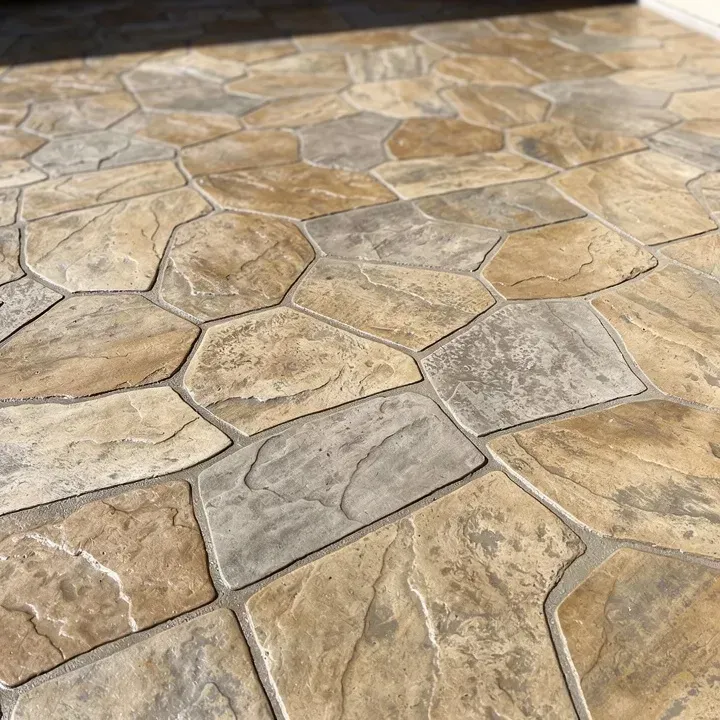
Stamped concrete is standard concrete that's been textured and patterned during the finishing process to mimic the appearance of natural materials like flagstone, slate, brick, cobblestone, or wood. Color is typically added through integral pigments mixed into the concrete itself, surface-applied color hardeners, or a combination of both, and a release agent applied before stamping creates the subtle tonal variation that makes the surface look genuinely like natural stone rather than painted concrete.
Homeowners choose stamped concrete when they want the visual richness of natural stone or brick without the ongoing maintenance, cost, or structural complications those materials bring. Unlike loose pavers or natural flagstone, stamped concrete is a single, monolithic slab with no individual pieces to shift, settle, or come loose over time. It's an especially popular choice for patios, pool decks, driveways, and front walkways on homes where curb appeal and outdoor living quality matter to the homeowner. Done correctly by an experienced installer, stamped concrete can dramatically elevate the look of your outdoor spaces while still delivering the structural durability and longevity you'd expect from standard concrete.
What Stamped Concrete Requires From You and What It Gives Back
Stamped concrete is an excellent choice for homeowners who want to create a cohesive, intentional outdoor living space that stands apart from a standard gray slab, particularly for patios, pool surrounds, front entries, and decorative driveways. It works especially well on properties where the surrounding landscaping, home exterior, or overall aesthetic makes the added visual detail worth the investment.
That said, stamped concrete does require periodic maintenance to keep looking its best over the years. The sealer applied during installation is one of the most important components of the finished product, since it protects the color, enhances the pattern definition, and shields the surface against moisture, staining, and UV fading. Most sealers need to be reapplied every two to three years depending on traffic levels and exposure, and neglecting this step is the single most common reason stamped concrete loses its original appearance prematurely. Peeling or worn sealer allows moisture to penetrate the surface, which accelerates color fading and can lead to surface spalling over time. With proper, periodic resealing, however, a well installed stamped concrete surface can maintain its appearance and structural integrity for many decades.
How We Design and Install Your Stamped Concrete Surface
The installation of stamped concrete involves more steps and a tighter window of timing than standard concrete work, which is why experience matters so much with this particular service. We begin by discussing your pattern, color, and layout preferences and helping you select a combination that works well with your home's exterior and the surrounding landscape.
Once the design is decided, we prepare the area through excavation, base compaction, and forming, following the same rigorous base preparation process we use for all of our concrete work. The concrete is then poured and color hardener or integral pigment is applied, followed by a release agent that provides the secondary tonal variation and prevents the stamps from sticking to the surface. The stamping itself must be completed within a specific window of time while the concrete is firm enough to hold the impression but still workable enough to accept it cleanly. Timing this correctly requires experience and the right crew size to work across the full slab before the window closes.
After stamping, the surface is cleaned of excess release agent, detailing work is done along the edges and joints, and a high quality sealer is applied once the concrete has properly cured. That sealer is the final and critical step that locks in the color, defines the pattern, and establishes the protective layer the surface needs to perform well for years to come.
Breaking Down the Cost of Stamped Concrete Work
Stamped concrete costs more than standard concrete work for several well justified reasons. The materials involved, including color hardeners, release agents, stamps, and high quality sealers, add to the base material cost compared to a plain slab. The installation process also requires a more experienced crew, more precise timing during the stamping window, and significantly more labor in the finishing, cleaning, and sealing stages.
Pattern complexity is one of the primary cost variables within stamped concrete projects. Simple, large-scale patterns like basic slate or plank designs are faster to stamp than intricate multi-piece patterns like cobblestone or random flagstone that require more individual stamp placements per square foot. Color choices also affect pricing, since single color applications are more straightforward than multi-tone blends that require careful layering and application.
Total square footage, site access, base preparation requirements, and any custom design elements like borders, medallions, or transitions between pattern zones all factor into the final project cost as well. We walk through every one of these variables with you during the estimate process so you have a complete and clear picture of your investment before committing to the project.
Frequently Asked Questions
How long does stamped concrete last and what maintenance does it need?
A properly installed stamped concrete surface can last several decades when maintained correctly. The most important maintenance step is periodic resealing, typically every two to three years depending on the level of traffic and sun exposure the surface receives. The sealer is what protects the color from UV fading, keeps moisture from penetrating the surface, and maintains the clean, finished appearance of the pattern. Beyond resealing, stamped concrete requires very little ongoing maintenance, just regular sweeping and occasional washing with a garden hose or mild cleaner to remove debris and surface staining.
Can stamped concrete be slippery, especially when it's wet?
This is a common concern, and it's a fair one. The sealer applied to stamped concrete can create a somewhat smooth surface if a standard gloss sealer is used without any anti-slip additive. We address this by incorporating an anti-slip aggregate into the sealer during application, which provides meaningful traction underfoot even when the surface is wet from rain. This is particularly important for pool decks, steps, and any area where bare feet are common. We discuss sealer finish and slip resistance with every stamped concrete customer so you know exactly what to expect from the finished surface.
Can you add a stamped concrete border to a plain concrete driveway or patio I already have?
Yes, in many cases a decorative stamped border can be added as a new pour around the perimeter of an existing plain concrete slab, creating a finished, intentional look without replacing the entire surface. This approach works best when the existing slab is still in good structural condition and the grade allows for a clean transition between the old and new concrete. It's a cost effective way to significantly upgrade the appearance of a plain driveway or patio without the expense of a full tear out and replacement.
How is stamped concrete different from regular pavers or natural stone?
Natural stone and individual pavers are installed as separate pieces laid over a sand or gravel base, which means individual pieces can shift, sink, or come loose over time as the base settles or frost heave occurs during winter. Stamped concrete, by contrast, is a single monolithic slab that moves as one unit, eliminating the shifting and uneven surfaces that loose paver installations commonly develop over the years. It's also significantly easier to keep clean since there are no gaps between individual pieces where weeds can grow or debris can collect. The trade-off is that if a section of stamped concrete ever does crack significantly, that section needs to be repaired rather than simply replacing a single paver, which is why proper installation and base preparation are so important from the start.
Let's Talk About Your Concrete Project
If you've been putting off dealing with a cracked driveway, sunken sidewalk, or aging patio, now is a great time to get it taken care of. Reach out today for a free, no obligation estimate, and we'll walk you through your options honestly so you can make the right decision for your home and your budget. Call us, and let's get your concrete project started.


Contact
(216) 220-8148
Mon–Sat: 7am–7pm
Warrensville Heights, OH
About Us
Warrensville Heights Concrete Solutions is a locally owned and operated concrete contractor with over 20+ years of experience serving homeowners throughout Warrensville Heights and the surrounding Cleveland area. We're committed to honest pricing, quality craftsmanship, and concrete work built to handle everything Northeast Ohio weather can bring. We proudly serve homeowners across the wider region, not just within city limits.
© Copyright 2026 Warrensville Heights Concrete Solutions. All rights reserved.
© Copyright 2026 Warrensville Heights Concrete Solutions.
All rights reserved.